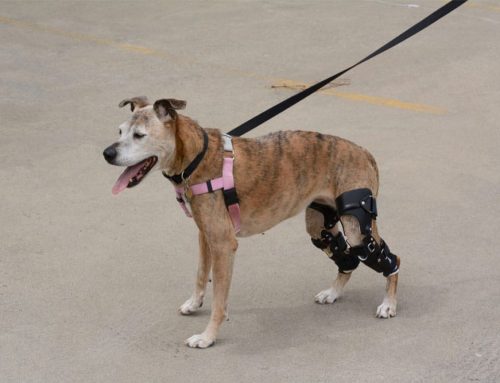
The dog gear most likely to land your dog at the vet is, frustratingly, some of the most popular: dense chews that crack teeth, toys that break into swallowable pieces, retractable leashes, and collars that tighten on the neck. The products that cause injuries are rarely the ones that look dangerous on the shelf. They tend to be the everyday items bought with good intentions, often because they were inexpensive, promised to last forever, or claimed to fix pulling overnight. Some injuries happen in a single moment, like a swallowed toy piece or a snapped leash cord. Others build quietly over days or weeks, like a tooth wearing down on a hard chew until the pulp is exposed. Knowing which products carry the most risk matters as much as knowing what to reach for instead.
Rustebakke Veterinary Service in Clarkston has always believed that a few honest minutes about gear before you buy can save you the cost and the worry of an injury later. That same thinking runs through how we handle urgent care and everyday visits alike, including the head-to-tail small-animal wellness exams that catch gear-related trouble early. If you are looking at something in your dog’s toy bin or clipped to their collar and wondering whether it is a good idea, reach out to our team and we will think it through with you.
Before You Buy: The Short List
- The gear behind most of the dog injuries we see is ordinary: hard chews, breakable toys, retractable leashes, and tightening collars.
- A chew hard enough to crack a tooth leads to an extraction, which costs far more than any chew you could have bought instead.
- A swallowed toy piece can mean emergency surgery, so the cheapest toy is rarely the cheapest choice.
- Reward-based training and a well-fitted harness solve pulling without the injury risk of prong, choke, or shock collars.
Why Does the “Miracle” Gear Often Cost the Most?
The option on the shelf that guarantees results and the safest option are rarely the same product, and the gap between them usually shows up later as a vet bill. The gear we see causing real harm falls into three predictable groups: chews hard enough to fracture teeth, toys that break into pieces a dog swallows, and collars or leashes that injure the neck. Those hard chews say “Your pet will be entertained for hours”. The prong collars and choker chains claim “We cure leash pulling overnight!”. Collars that deliver electric zaps or citronella promise “Cures barking and bad behavior.” Every one of them can cause real injury, and is preventable with a smarter purchase up front.
The table below lines up the tempting shortcut against what it can actually cost.
| The tempting buy | What can go wrong | The smarter spend |
| Hard “lasts forever” chews (antlers, hooves, bones) | Fractured tooth needing extraction | A chew that passes the thumbnail test |
| Cheap breakable or undersized toys | Swallowed pieces, intestinal surgery | A correctly sized, durable toy |
| Retractable or tightening collars | Windpipe and neck injury | A fixed leash and a fitted harness |
None of this means spending the most money. It means spending on products that are safer and also investing in training, which is exactly the kind of guidance we try to build into every conversation about your dog.
What Is Your Dog Telling You About Their Gear?
Dogs signal whether equipment is comfortable through posture, facial expression, and movement, often well before a sore or an injury develops. Learning to read those signals means you can swap a piece of gear out before the discomfort becomes damage.
The subtle stress signals to watch as gear goes on:
- Lip licking, yawning, or whale eye (the whites of the eyes showing)
- A stiff or frozen posture as the gear is put on
- Avoidance or hiding when you reach for the leash
- A tucked or unnaturally low tail
- Pinned-back ears
The physical signs that equipment is already causing trouble:
- Pawing at a collar or harness, or trying to back out of it
- Coughing or hacking on walks
- Skin redness, hair loss, or chafing where gear sits
- Limping after walks
- Flinching when touched near the spot the gear rests
Learning to read canine body language tells you whether the problem is the gear or the dog. When destructive chewing or a sudden behavior change shows up, a wellness visit can rule out pain, dental disease, anxiety, or a metabolic cause before you treat it as a training issue.
How Do You Choose a Collar and Harness Worth the Money?
The walking gear worth buying spreads pressure away from the throat and fits your dog’s specific build, and for most dogs that means a properly fitted harness rather than a collar as the leash attachment. The right tool gives you control without relying on discomfort, and allows you to train the right behavior instead of punishing the wrong one.
A quick guide to what suits which dog:
- Front-clip harnesses: redirect a puller’s forward motion, a strong first choice for dogs that lean into the leash.
- Head halters: give the most control over a powerful puller, with a patient, treat-based introduction.
- Back-clip harnesses: an easy, comfortable pick once your dog walks on a loose lead.
- Martingale collars: keep narrow-headed dogs from slipping free without choking when fitted right.
- Flat collars: perfect for ID tags and everyday wear, just not the pull point for a determined puller.
Choosing the right collar comes down to a careful fit and understanding your dog’s behavioral needs. We are glad to fit a harness during a visit so you buy the right size once.
Which Leash Is the Safer Buy, and Why Skip Retractables?
A plain fixed-length leash of four to six feet is both the cheaper and the safer purchase, and it is the one we recommend for nearly every dog. It keeps your dog close enough to manage in traffic, on a narrow trail, or in a busy parking lot, which is exactly where trouble tends to happen. For polite leash walking, that length does a job a retractable simply cannot.
Retractable leashes are the classic example of paying for a problem:
- They train pulling: the cord pays out exactly when your dog pulls, rewarding the habit you are trying to fix.
- They hand over control: your dog can be a car-length away when something goes wrong.
- The cord injures: retractable leashes cause cuts and friction burns to dogs and people, and serious retractable-leash injuries include deep lacerations and even finger amputations.
- The cord can break: a hard lunge can snap a thin cord.
When you want to give your dog real room to roam on a walk along the Snake River or in an open field, a long line of fifteen to thirty feet does it safely, without the retractable’s failure points. There is no retractor mechanism to fail, and there is no reward built in for pulling.
Are Prong, Choke, and Shock Collars Ever Worth It?
These tools are the rare purchase that can cost you twice: once for the device, and again when it injures your dog or makes the behavior worse. Marketing them as “training collars” gives a false impression that they teach a dog something valuable. They do not. They suppress a behavior in the moment by applying pain or pressure, without ever showing the dog what to do instead, and the dangers of “training” collars are well documented.
Prong collars and choke chains
Prong collars and choke chains tighten around the neck to suppress pulling through discomfort. The physical risks are real:
- Tracheal damage when a sudden lunge meets a tightening collar
- Neck and spine injury from the force landing on delicate structures
- Skin punctures from the prongs
- Pressure on the thyroid gland from repeated tightening right over it
The risks of prong collars climb sharply for dogs with tracheal collapse, intervertebral disc disease, or other airway and spine conditions, where a single bad pull can do lasting harm.
Shock collars and other aversive tools
Shock collars (often sold as e-collars or stimulation collars) carry both physical and behavioral consequences. The physical risks include burns and skin damage at the contact points against the neck. The behavioral fallout tends to be the bigger problem: deepened fear of whatever the dog was looking at when the shock landed, rising aggression as the dog associates the pain with environmental triggers rather than their own behavior, and generalized anxiety that spreads well beyond the original issue. Aversive training methods tend to make fear-based behaviors worse, because adding more negativity to an already frightening situation does not resolve what was driving it.
What works better, and why
The approach that actually lasts costs nothing but time and a pocketful of treats. Positive reinforcement training rewards the behavior you want, so the dog repeats it on their own, building trust and creating habits that hold up without ongoing correction. Take leash pulling as the comparison. The aversive approach uses a prong collar to suppress the pulling through pain, without addressing the stress or excitement that drove it. The reward-based approach teaches the dog that a loose leash earns small treats, so the loose leash becomes the dog’s default rather than something that has to be enforced.
The same principle applies to leash reactivity. Structured work like the engage-disengage game teaches a dog to notice a trigger calmly and look back at the handler for a reward, gradually reshaping the emotional response from fear or arousal to neutrality. That is something a shock collar simply cannot do, because it adds more fear to a fear-based problem.
Are Long-Lasting Chews Quietly Cracking Your Dog’s Teeth?
The chews marketed as long-lasting are long-lasting precisely because they are hard, and that hardness is what fractures teeth. Dogs bite down with tremendous force on their back teeth, and the large upper chewing tooth, the carnassial, is the one that breaks most often. A fracture that exposes the pulp is painful, prone to infection, and almost always has to be extracted. Even without a frank fracture, steady wear from a hard object can grind a tooth down to the dentin and eventually expose the pulp, setting up a painful tooth root abscess under the gumline.
The usual offenders, and why popular chews carry real risks:
- Cooked or raw real bones: cooked bones splinter into sharp fragments that injure the mouth and gut, and raw bones are a leading cause of that fractured carnassial tooth.
- Antlers and hooves: classic for slab fractures of the premolars, often found weeks later when the dog starts chewing only on one side.
- Hard nylon bones: gnaw down into sharp points that scratch the gut.
- Rawhide: swells into a dense mass that can lodge in the throat or intestine.
- Tennis balls: the abrasive felt surface wears tooth enamel down to the dentin over time.
- Anything worn to a nub: small enough to swallow whole and choke on.
The screen is simple, and the chews most likely to break teeth all fail it: if you cannot dent it with a thumbnail, it is too hard for your dog’s teeth.
Signs your dog may already have a chew injury
Worn or fractured teeth often hide in plain sight, because dogs keep eating and acting normal even when a tooth is causing real pain. Worth a closer look:
- A discolored, broken, or crooked tooth
- Heavy wear on the tooth tips with a visible dark spot at the end
- Bleeding gums or refusing to eat
- Heavy drooling or pawing at the face
- Noticeably worse breath
- Chewing on only one side
- Vomiting or a sudden change in appetite
If you spot any of these, our dental care includes the radiography to find damage below the gumline and treat it before it turns into an abscess.
What Toys Are Worth Buying for a Power Chewer?
For a determined chewer, the toy worth buying is one sized and built to survive their style of play, because the real expense is not the toy, it is the surgery when a piece gets swallowed. Ingested toy fragments cause gastrointestinal foreign bodies that range from a rough day to a life-threatening blockage, and they make up some of the most common choking hazards from toys we see.
The toy types we see cause trouble:
- Rope toys: swallowed fibers form linear foreign bodies that saw through the intestine.
- Squeaker toys: the squeaker becomes a choking hazard once it is exposed.
- Undersized balls: anything smaller than the dog’s mouth can be gulped whole and lodge in the throat.
- Stuffed toys: the stuffing balls up inside and can obstruct the intestine.
- Hard plastic toys: too rigid to chew safely, chipping teeth and breaking into hard edges.
A few habits stretch your toy budget and keep your dog safe: buy for your dog’s size and chewing strength, supervise any new toy, retire toys before they start shedding pieces, and rotate the toy bin so each item gets a break. When a piece does go missing, our in-house diagnostics locate it quickly, and our team handles the surgery on the cases where an object cannot pass on its own.
What Are the Safer Toys and Chews to Reach For Instead?
The guiding rule for any chew is the thumbnail test: if your thumbnail cannot dent it, it is too hard for your dog’s teeth. Within that limit, plenty of safer chew options exist:
- VOHC-accepted dental chews. The Veterinary Oral Health Council seal marks products with proven dental benefit, available through our online pharmacy’s dental chew selection.
- Collagen-based chews and rawhide alternatives. Softer than real bones and rawhide, with much lower risk of fracture or obstruction.
- Food-stuffed rubber toys. The best return on a toy purchase, because they keep a dog working productively rather than shredding the toy.
- Puzzle feeders. Engage the brain without heavy chewing, particularly good for dogs whose chewing has more to do with boredom than appetite for destruction.
- Snuffle mats. Enrichment through sniffing, satisfying for dogs without putting any wear on their teeth.
These options cost a bit more upfront than a bargain-bin chew or toy, but they pay back several times over by skipping the dental extractions and foreign body surgeries that drive the real bills.
When Is the Problem Your Dog, Not the Gear?
Sometimes the gear is fine and your dog is telling you something the equipment cannot fix. A dog who suddenly resists a harness they wore happily last week, or who starts chewing destructively out of nowhere, may be dealing with discomfort, stress, or a medical change. Destructive chewing that appears suddenly is worth taking seriously rather than chalking up to misbehavior.
The medical contributors worth ruling out:
- Some dogs chew hard for relief, including from dental pain that is itself often gear-related.
- Cognitive change. Older dogs sometimes develop new, restless chewing habits as cognitive dysfunction sets in.
- A move, a new family member, a schedule change, or a household disruption can trigger destructive chewing as a stress outlet.
- Endocrine or metabolic disease. Conditions that shift appetite and energy can show up first as a change in chewing behavior.
A wellness visit to rule out medical contributors is the right first step before treating a chewing problem as purely behavioral, since training a pain-driven behavior without addressing the pain rarely works.

Frequently Asked Questions About Choosing Dog Gear
Is it worth paying more for an expensive harness?
Often the price difference is small, and the fit matters far more than the brand or the cost. A well-fitted front-clip harness or head halter gives you real control and keeps pressure off the throat, which a cheap collar cannot. Bring your dog by and we will help you fit one correctly, so you buy the right size once instead of guessing twice.
How much does it cost if my dog cracks a tooth on a chew?
A fractured tooth that exposes the pulp almost always needs extraction, which means anesthesia, dental X-rays, the extraction itself, and pain medication. That adds up to far more than a safe chew ever would, and your dog is uncomfortable in the meantime. The thumbnail test before you buy is the cheapest dental care there is. You can view our general pricing for dental procedures on our website.
My dog destroys every toy. Is anything worth buying?
Against a determined chewer, no toy is truly indestructible, so the realistic goal is durable rather than unbreakable. Food-stuffed rubber toys give the best return, because they keep a dog busy working for the food instead of treating the toy as something to shred. Supervise play and retire toys before they start to fragment.
What should I do right now if my dog swallowed part of a toy?
Call us right away rather than waiting to see what happens. Small pieces sometimes pass, but others cause a blockage within hours, and the early window is when treatment is simplest and least expensive. Watch for vomiting, a tender belly, refusing food, or low energy, and treat any of those as a reason to be seen the same day.
Are tennis balls really that bad for dogs?
In moderation as a fetch toy, supervised, most dogs do fine. The trouble comes when a tennis ball becomes a chew toy: the abrasive felt grinds down tooth enamel over time, and large dogs can compress a ball and lodge it in the back of the throat. Use them for fetch, not for unsupervised chewing, and choose a size that cannot be swallowed.
Spending Smart on Gear That Keeps Your Dog Safe
The safest gear is rarely the flashiest or the priciest, and the few minutes it takes to check a chew’s hardness or swap a retractable for a fixed leash prevents the painful, costly injuries we treat all the time. The right choices depend on your dog’s size, chewing style, and habits, which is the kind of practical conversation we are always happy to have at a visit.
If you would like a second opinion on a leash, harness, chew, or toy, or your dog is showing any sign of a gear-related injury, contact our team. Schedule a visit for small animal veterinary care in Clarkston– we would far rather help you choose well now than treat the consequences later.