The most effective dental routine is the one your pet will actually tolerate, which is not always the one that works best in a laboratory study. Some dogs and cats accept a toothbrush without complaint; others treat it as a deeply offensive personal affront. The good news is that the toolbox for home dental care is genuinely wide: enzymatic gels applied with a fingertip, dental wipes for friction-based plaque removal, water additives, dental chews, and dental diets all offer meaningful benefit when used consistently. The key is knowing which tool fits which pet and which situation.
Rustebakke Veterinary Service in Clarkston has always taken client education seriously as part of how we care for the whole family, not just the animal. Our dental care services address the clinical side, and our team is happy to walk you through home care product selection and technique during your appointment. Contact us to learn more or ask us what dental products we’d recommend for your pet.
Why Does Dental Home Care Matter for Your Pet?
Periodontal disease starts the moment plaque, a soft layer of bacteria, settles onto tooth surfaces. Within days, that plaque mineralizes into tartar, which is much harder to remove and creates a rough surface where more plaque accumulates. Tartar irritates the gum tissue, triggering inflammation that progresses from early gingivitis to deeper periodontal infection involving bone loss, painful tooth root exposure, and eventually tooth loss.
What makes this especially worth preventing is the systemic reach. Bacteria from advanced periodontal disease can enter the bloodstream and have been linked to changes in heart, kidney, and liver tissue over time. Daily or near-daily home care disrupts plaque before it hardens, slowing the progression meaningfully between professional appointments.
Home care extends the benefit of professional dental cleanings but does not replace them. Think of it as protecting the investment of each cleaning by maintaining what the procedure accomplished. Our small animal services include dental monitoring at every wellness visit so we can catch developing problems early.
What Is the VOHC and How Do You Choose Effective Products?
The dental care market is crowded with products making broad claims. The Veterinary Oral Health Council (VOHC) is an independent organization that reviews clinical trial data before granting recognition to dental products. Only products that demonstrate measurable plaque or tartar reduction in controlled studies earn the VOHC seal of acceptance.
The presence of the seal gives you reliable assurance that the product actually does what it claims. The absence of the seal doesn’t automatically disqualify a product, but it does mean the manufacturer hasn’t submitted clinical data for independent review.
Look for the VOHC seal when shopping for dental chews, water additives, diets, gels, and wipes. Our team can walk you through which VOHC-accepted products are most appropriate for your pet’s current oral health status and temperament. The dog dental and cat dental products in our pharmacy are vet-trusted options and a great place to start.
Toothbrushing as the Gold Standard for Pet Dental Care
Why Brushing Is Most Effective
Toothbrushing physically disrupts the bacterial biofilm before it can mineralize. No other home care method matches it for effectiveness when done consistently. Daily brushing provides the highest level of protection; every-other-day brushing still delivers real benefit. Consistency over perfection is the right mindset. Your pet brushed three times a week is in dramatically better shape than one brushed twice a year (or never).
How Do You Get Started With Brushing?
The introduction is where most home brushing routines succeed or fail. Rushing the process creates negative associations that are very difficult to reverse. A patient, gradual approach works much better.
A sensible progression:
- Touch the muzzle and lift the lips for a few days, offering a reward after each brief session
- Run a finger along the outer tooth surfaces and gumline so the sensation becomes familiar
- Introduce a small amount of pet-safe enzymatic toothpaste on the fingertip and let your pet taste it
- Move to a finger brush or soft-bristled toothbrush, starting at the front teeth only
- Gradually extend further back over the following days or weeks
Cooperative care techniques emphasize consent and positive reinforcement throughout the process, keeping sessions short enough to end before the pet becomes resistant.
For brushing dog teeth, hold the brush at a 45-degree angle toward the gumline and use short circular or gentle back-and-forth strokes, focusing especially on the upper back teeth where tartar accumulates fastest. Aim for 30 seconds per side, building toward a full 1 to 2 minute session. For brushing cat teeth, smaller brushes, lighter pressure, and shorter sessions distributed through the day tend to work better than one extended attempt. Cats are often more tolerant in positions where they feel stable rather than restrained.
Critical safety note: never use human toothpaste. Fluoride and xylitol are both toxic to pets. Use only enzymatic or pet-formulated products. The CET Enzymatic Toothpaste and CET Fingerbrush with toothpaste sample are both excellent starter options. Our pharmacy carries a full range of toothpaste and toothbrushes for whatever fits your pet best.
We’re happy to demonstrate proper technique at your next visit; sometimes seeing it done makes everything click in a way that reading instructions can’t.
Dental Wipes and Gauze as Alternatives to Brushing
For pets who genuinely will not accept a toothbrush despite a thoughtful introduction, dental wipes or gauze wrapped around a finger provide friction-based plaque removal that’s better than nothing. They work well for cats, anxious pets, or dogs who tolerate finger contact but reject brush contact. Compared to brushing, they’re easier to introduce for resistant pets and have no learning curve, but they don’t reach gumlines or back molars as effectively. They work well as a stepping stone toward brushing, or as a long-term solution for pets who genuinely won’t accept brushes.
Technique tips:
- Focus on the outer surfaces of the front teeth and canines (the most accessible and stain-prone areas)
- Use the wipe to gently rub along the gumline
- Work in short sessions distributed through the day
Vetradent Dental Wipes are a great option, but wipes alone are not enough for pets with significant existing tartar or signs of oral disease. If your pet has visible tartar, red gums, bad breath, or any signs of pain when eating, professional evaluation comes first.
Dental Gels, Powders, Sprays, and Enzymatic Products
Enzymatic products work chemically by targeting bacterial biofilm without requiring physical scrubbing. Products containing lactoperoxidase or glucose oxidase enzyme systems can be applied with a finger, spray, brush, or simply allowed to coat the teeth after your pet licks the product from your hand or eats it on their food. Many require no rinsing.
Application methods include:
- Gels applied with a fingertip directly to the teeth and gumline (typically once daily)
- Sprays that coat tooth surfaces in a few seconds (useful for pets who tolerate brief contact)
- Powders sprinkled onto food (providing daily passive coverage with no handling required)
- Pastes that can be brushed on or allowed to be licked off
Enzymatic products provide a meaningful layer of protection even for pets who only tolerate minimal contact, and they enhance the effectiveness of any brushing or wiping that does occur. The Perio Support Dental Care Powder is a particularly easy option for pets who refuse direct mouth contact, since it goes on food and works passively.
The most effective routine for many households combines enzymatic products with mechanical methods (brushing or wipes) on alternating days, providing both chemical and mechanical disruption of plaque.
Water Additives and Oral Rinses
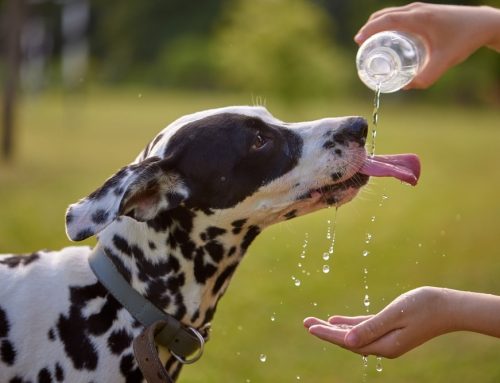
Water additives deliver antimicrobial or enzymatic ingredients passively through your pet’s drinking water. They’re the most hands-off option and can supplement care for pets who resist anything applied directly to their mouths.
Honest expectations:
- Effectiveness varies considerably by product
- They cannot remove tartar that has already formed
- They work as a supplement to mechanical cleaning rather than a replacement
- Pets sometimes refuse water with additives, defeating the purpose
Introduce water additives gradually at a lower-than-recommended concentration to ensure your pet continues drinking normally. If they refuse the additive water, reduce concentration further or try a different product.
Provide a separate water bowl with plain water alongside any additive water, particularly when first introducing a product. Cats especially are quick to abandon water sources they find off-putting, and dehydration is a much bigger concern than the marginal dental benefit any additive provides.
Dental Diets for Oral Health
Dental diets are formulated with a larger kibble structure that requires teeth to penetrate before the food crumbles, producing mild abrasive cleaning with every bite. Some formulations also include ingredients that bind calcium and reduce tartar mineralization.
Dental diets work best when:
- They make up the majority of the daily food intake (occasional bites won’t produce meaningful benefit)
- Your pet actually chews the kibble rather than swallowing it whole
- They’re paired with other home care methods rather than relied on as the only intervention
Like all home care tools, dental diets extend the interval between professional cleanings rather than eliminating the need for them. Our pharmacy carries dog dental diets and cat dental diets for pets whose oral health would benefit from this approach.
Dental Chews, Treats, and Toys
Chewing action physically scrapes plaque from tooth surfaces, and the right chew can meaningfully contribute to home care when selected carefully.
The critical safety rule: if pressing your thumbnail into the chew doesn’t leave a dent, it is too hard and risks fracturing teeth. Dangerous chew items include antlers, hooves, hard nylon products, and raw bones, all of which are leading causes of broken teeth in dogs.
Safe chew toys flex or compress under pressure. Well-designed dental chew toys with textured surfaces that reach between teeth contribute genuine plaque removal when used regularly, and can be coated in enzymatic products for an extra kick.
Edible dental chews provide both mechanical removal of plaque and enzymatic action. We have a great selection of dog dental chews and treats in a variety of sizes, textures, and flavors. The ProDen DentalCare Dental Bites and Greenies Dental Treats are formulated specifically for cats, but only work if they chew them. If your cat swallows them whole, they aren’t doing anything.
A few practical reminders for chews:
- Match chew size to your pet (a chew that’s too small can be a choking hazard)
- Always supervise initial sessions
- Monitor for gastrointestinal upset
- Rotate chew types to maintain interest
- Account for the calories in chews when calculating daily food intake
What Home Care Cannot Replace
Tartar that has already hardened onto teeth cannot be removed at home, regardless of how diligently the routine is maintained. Neither can subgingival disease, the infection and bone loss that occurs below the gumline where it is not visible or accessible without anesthesia.
Anesthesia-free dental risks are worth understanding clearly: procedures done without anesthesia can only address visible surfaces and provide no access to subgingival areas or the diagnostic imaging that reveals root and bone pathology. They create the appearance of cleaner teeth while leaving the most clinically significant disease untouched. Proper anesthesia, with full monitoring and pre-anesthetic bloodwork, allows the team to do the work that actually matters.
A complete professional dental cleaning at our practice includes:
- Pre-anesthetic physical exam and bloodwork
- Tailored anesthesia protocols with continuous monitoring
- Full ultrasonic scaling above and below the gumline
- Dental radiographs to evaluate roots and bone
- Extraction of teeth that cannot be saved
- Polishing to smooth the tooth surface
- Periodontal treatment for affected teeth
- Comprehensive oral charting
- Pain management before, during, and after the procedure
Frequency of professional cleanings varies by pet. Small breeds and brachycephalic dogs often need cleanings every 6 to 12 months because of their anatomy. Larger breeds with good home care may go 18 to 24 months between cleanings. Good home care earns longer intervals; it does not make them optional. Our pricing page provides general information about what to expect for starting costs of dental procedures to help you plan.
How Do You Build a Sustainable Dental Home Care Routine?
The most effective dental routine is the one that fits into real life. Pairing dental care with an existing daily habit, such as the last thing before bed or immediately after the evening meal, dramatically improves consistency. Keep supplies somewhere visible so they’re easy to reach. Involve all household members so the routine holds even when schedules vary.
If your pet resists a toothbrush, back up to a finger brush or wipes and rebuild tolerance gradually. If time is genuinely limited, even 30 seconds of enzymatic gel applied to the gumline daily, a dental chew, or powder on the food is worth doing. Track progress through breath quality, gum color, and visible tartar between professional cleanings. Combine products on days you can’t brush.
Signs that professional intervention is needed:
- Persistent bad breath despite home care
- Visible tartar accumulation
- Red or bleeding gums
- Reluctance to eat hard food
- Dropping food
- Pawing at the mouth
- Any visible tooth damage

Frequently Asked Questions About Pet Dental Home Care
How often do I really need to brush my pet’s teeth?
Daily brushing is the gold standard, but every other day still provides meaningful benefit. Three times per week is the practical minimum for genuine impact on plaque control.
Can I use baking soda as a toothpaste substitute?
No. Baking soda is too alkaline for pet oral use and can disrupt the digestive system if swallowed. Stick to pet-formulated enzymatic toothpaste.
My dog won’t tolerate any brushing. What’s my best option?
Start with the very gradual introduction described earlier. If genuine brushing remains impossible, focus on consistent use of dental wipes, enzymatic gels or sprays, water additives, dental chews, and dental diet. The combination of multiple lower-effort methods can produce real benefit.
When should I worry about my pet’s dental health?
Bad breath that persists, visible tartar, red or swollen gums, dropping food, reluctance to eat hard food, pawing at the mouth, or any visible damage to a tooth all warrant a dental evaluation. Our urgent pet care is available during open hours for situations involving pain or sudden problems.
Partnering With Your Vet for Lifelong Dental Health
Effective home care, paired with regular professional cleanings, genuinely keeps pets healthier for longer. The combination prevents painful dental disease, reduces the systemic effects of oral bacteria on the heart, kidneys, and liver, and adds real comfort and quality of life across the years.
Our team at Rustebakke Veterinary Service is happy to help with product selection, technique demonstrations, and finding the approach that actually works for your particular pet. Contact us to schedule a dental evaluation and create a personalized care plan for your dog or cat in Clarkston and Lewiston.