What to Expect From a Senior Wellness Visit (And Why It Matters)
Dogs and cats age faster than we do, so big health changes can happen between yearly visits. High blood pressure, thyroid issues, arthritis, and hidden masses can progress quietly, making early screening essential. Simple tools like blood pressure checks, thyroid tests, and X-rays help us catch problems early, when treatment is easier and more effective.
At Rustebakke Veterinary Service in Clarkston, our diagnostic services include blood pressure screening, blood panels to check organ health, thyroid testing, radiographs, and more to spot changes before they become emergencies. Whether your pet is a working companion or a couch buddy, screening helps prevent crises and preserves quality of life. Ready to plan ahead for your senior pet? Request an appointment or contact us to talk about the right testing schedule.
When Your Pet’s Gray Muzzle Signals the Need for Proactive Care
You might notice slower stair climbs or longer stretches after naps. That can be normal aging, but it’s also a great time to look closer.
Senior screenings turn these small changes into answers. Blood pressure checks flag risk before stroke-like symptoms. Thyroid tests explain weight shifts. X-rays show arthritis and guide pain relief. Following senior pet care recommendations helps us act early, not in a crisis.
We treat senior care as a partnership. Your observations plus our exam and tests create a full picture, so we can protect comfort and mobility through the golden years.
Why Aging Pets Need More Than Annual Checkups
As pets age, organs can slow down without obvious signs. Kidneys, liver, heart, and immune function can all change quietly.
Twice-yearly visits with preventive testing catch issues early. Small shifts in kidney or liver values, anemia, or thyroid changes guide simple steps that prevent bigger problems.
We set a baseline for your pet and track trends over time. Patterns matter more than a single number, and they help us tailor care through our small animal services.
What Complete Blood Panels Reveal
Bloodwork gives a high-level snapshot of your pet’s health:
- Complete blood count checks red cells (oxygen and anemia), white cells (infection and inflammation), and platelets (clotting)
- Chemistry panel evaluates kidneys, liver, blood sugar, protein, and electrolytes
In seniors, we often find early kidney changes, mild anemia, liver enzyme bumps, or signs of diabetes. These veterinary diagnostic tests guide diet, medication, or follow-up imaging. Comparing today’s results to your pet’s baseline shows what’s stable, what’s improving, and what needs action.
Thyroid Disease: Dogs vs. Cats
Hypothyroidism in Dogs
Hypothyroidism means too little thyroid hormone. Common signs include weight gain, low energy, dry skin, hair loss, and more frequent ear or skin infections. A simple blood test confirms it. Daily medication usually restores energy, coat, and weight within weeks, and most dogs do very well.
Hyperthyroidism in Cats
Feline hyperthyroidism is the opposite: too much thyroid hormone. Cats often lose weight while eating more, act restless, and may vomit or have diarrhea. Untreated, it strains the heart and kidneys. Blood tests confirm it, and treatment options include daily medication, special diets, or radioactive iodine therapy. With monitoring, most cats thrive.
Why Blood Pressure Checks Protect Vital Organs
High blood pressure quietly damages kidneys, eyes, heart, and brain. Pets may seem fine until there’s a major problem.
Screening for systemic hypertension is quick and comfortable. We use a small cuff on a leg or tail and take multiple readings after your pet relaxes. If consistently high, we discuss medications, diet changes, and regular monitoring. Conditions like kidney disease, hyperthyroidism, diabetes, and Cushing’s can raise risk, so catching it early protects vital organs and vision.
What a Urinalysis Adds
A urinalysis complements bloodwork. It shows how well the kidneys concentrate urine and flags protein, blood, glucose, crystals, or bacteria that suggest kidney disease, diabetes, stones, or a urinary infection. It can also reveal early changes before a pet shows any outward symptoms, making it a valuable tool for catching problems sooner. Because many senior pets drink and urinate more gradually over time, a urinalysis helps determine whether those changes are normal aging or an early sign of illness.
Heart Screening: Catching Problems Early
What prompts heart testing?
We may hear a murmur or irregular rhythm during the exam, or notice weak pulses or pale gums. These findings trigger heart evaluation.
Heart disease diagnosis often starts with chest X-rays to look at heart size and lungs, and may include an echocardiogram to watch valves and pumping in real time. We may add proBNP testing to screen for strain on the heart.
Common heart issues in seniors
Dogs, especially small breeds, commonly develop valve disease or weak heart muscle; cats often have thickened heart muscle. Many pets show no clear signs early on. Finding heart disease sooner lets us use medications and monitoring to support quality of life for years.
How X-Rays and Ultrasound Guide Senior Care
When X-rays help
X-ray imaging is great for checking the chest, abdomen, and bones. We use it to evaluate cough, heart size, breathing changes, or exercise intolerance; to look for masses, enlarged organs, or bladder stones; and to document arthritis severity. Baseline images make it easier to spot changes later.
When ultrasound adds detail
Ultrasound imaging shows organ structure and movement in real time. It helps evaluate liver, spleen, heart, kidneys, bladder, and intestines when X-rays raise questions. Many pets don’t need sedation. Ultrasound, x-rays, and bloodwork together create a clear plan and may help us decide if a specialist referral is useful.
Screening for Common Senior Conditions
Cancer checks
Regular exams catch lumps, enlarged lymph nodes, and organ changes that could be cancer in pets. We may use fine needle aspiration for quick, minimally invasive sampling. X-rays and ultrasound help find internal tumors and check for spread. Early surgical removal can be curative for many tumors, and early detection also improves comfort-focused care when cure isn’t possible. Some tumors, like hemangiosarcoma, are fairly common in large breed dogs like Golden Retrievers and may not be noticed until they rupture and cause internal bleeding- which requires emergency surgery. Early screening changes problems while they are small- before they’ve caused a trip to the emergency room.
Liver concerns in older dogs
Elevated liver enzymes on bloodwork prompt follow-up for possible liver disease. Imaging helps assess size and texture, while additional tests look at function and clotting. Causes range from inflammation to hormone changes to tumors. Many dogs do well with medications, diet changes, and ongoing monitoring tailored to the cause.
Chronic Kidney Disease
Chronic kidney disease is common in older cats and seen in many dogs. Early detection lets us slow progression with kidney-friendly diets, blood pressure control, and hydration support. Running urine and blood tests together gives a fuller kidney picture and guides practical next steps.
Arthritis and mobility
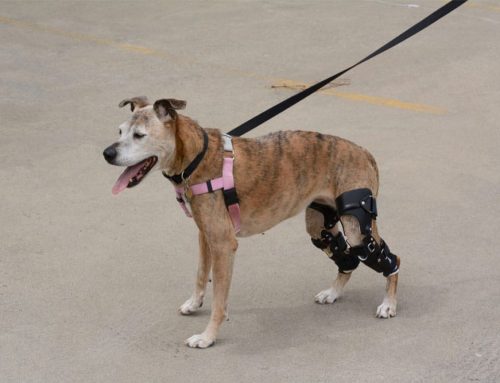
Stiffness, slower walks, and trouble jumping often point to arthritis. X-rays confirm joint changes and help us plan support. A multimodal approach works best: anti-inflammatory meds, joint supplements, weight control, and targeted activity. Gentle exercises for osteoarthritis, home changes like non-slip rugs and ramps, and options like laser therapy can make a big difference in comfort and mobility.
Why Dental Health Matters for Seniors
Most adult pets have dental disease, and by the senior years it often causes pain and infection. Bacteria from the mouth can affect the heart, liver, and kidneys, so dental care is more than cosmetics.
Watch for bad breath, dropping food, drooling, or face pawing. Many pets hide mouth pain, which is why regular exams are so valuable. Pre-anesthetic bloodwork helps us plan safe dental procedures. Professional cleanings remove buildup above and below the gumline, dental X-rays find hidden problems, and badly damaged teeth are removed to relieve pain. At home, daily brushing, dental diets, and water additives help maintain results and protect whole-body health.

Creating a Care Plan That Fits Your Pet
Every senior pet is unique. We combine your observations with exam findings and test results to create a practical, personalized plan.
- Visit frequency: Seniors generally do best with checkups every six months
- Bloodwork and monitoring: Timed to your pet’s needs, risks, and results of the last panels
- Budget-friendly choices: We prioritize tests with the most impact and can build care in steps
- Communication: We explain what each test looks for and how results guide next steps
The goal is simple: keep your pet comfortable, mobile, and happy for as long as possible, with a plan you feel good about.
FAQs
How often should my senior pet get screened?
Most seniors benefit from exams and basic screening every six months, with add-on tests based on history and current findings. Ask us what makes the most sense for your pet.
Do pets really need blood pressure checks?
Yes. High blood pressure can cause sudden blindness, kidney damage, and heart strain. It’s quick to measure and can prevent serious problems.
Are X-rays necessary if my pet seems fine?
Baseline X-rays help us spot small changes later. They’re especially useful for arthritis, chest concerns, or abdominal issues that aren’t obvious yet.
How do I know if my cat has hyperthyroidism?
Common signs include weight loss, increased appetite, restlessness, vomiting, or a faster heartbeat. A simple blood test confirms it, and treatment options are very effective.
What are early signs of kidney disease?
Increased thirst and urination, weight loss, and decreased appetite are common. Bloodwork plus a urinalysis provide the clearest picture.
Protecting the Quality of Your Pet’s Golden Years
Proactive screening helps senior pets stay comfortable and active. Blood pressure checks protect key organs, thyroid tests keep metabolism on track, and X-rays guide pain relief and catch changes early. Together, these tools turn “watch and worry” into a clear plan.
We’re here to partner with you: to answer questions, calm worries, and personalize care for your pet. If you’re noticing changes or want to plan ahead, we can help. Schedule an appointment or contact us to build the right senior wellness plan for your pet today.