

Some intestinal parasites are zoonotic, or can pass to people, though it’s thankfully uncommon. The coccidia pets carry stay species specific and do not infect people, but giardia can make the jump to humans, especially young children, and a pet carrying one parasite often carries others. Roundworms and hookworms, which spread to people far more readily, frequently ride along in the same stool sample. Both giardia and coccidia cause diarrhea, both respond well to treatment, and both shed hardy cysts that survive in the yard for months, so handwashing, prompt stool cleanup, and a plan that covers the environment all matter.
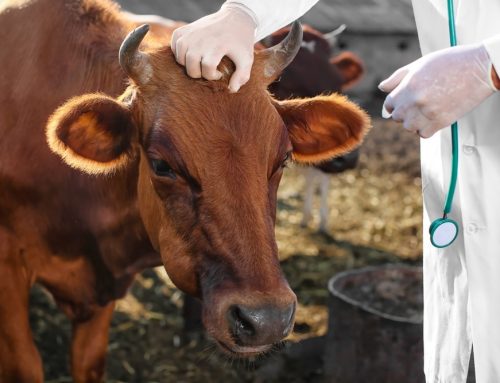
Education is at the heart of how Rustebakke Veterinary Service in Clarkston practices, because a family who understands how these parasites spread can break the reinfection cycle, and since we care for everything from house cats to cattle, we see these parasites from the exam room to the calving pen. Our fecal testing tells us which parasite your dog or cat is carrying, and we build the treatment plan around what we find, including the cleaners that actually work against these cysts and the practical routines, from litter box to water bowls to yard cleanup, that keep the environment from undoing the treatment. When the questions pile up faster than you can Google them, reach out; we are glad to talk it through and get your pet seen.
Giardia and Coccidia in Plain Terms
- You can catch giardia from your dog or cat, and pets carrying one parasite often carry others, so handwashing and prompt stool cleanup protect the whole family.
- Diagnosis rests on a fecal test, and because both parasites shed on and off, one negative sample doesn’t always clear your pet.
- Medication works well, though some infections need a repeat course, and a follow-up stool check confirms the parasite is truly gone.
- Cleaning the environment matters as much as the pills, since coccidia oocysts shrug off bleach and survive in the yard for months.
Which Pets Are Most Likely to Pick Up Giardia and Coccidia?
Puppies, kittens, and any dog or cat living in close quarters carry the highest risk, because both parasites spread through contaminated water, food, and feces. Young immune systems haven’t fully matured, and crowded kennels, shelters, and daycare settings concentrate the cysts and oocysts that start a new infection. Giardia and coccidia rank among the most common intestinal parasites in dogs and cats.
The pattern usually starts at the water bowl or the wrong puddle: a dog drinking from a stagnant pond, a kitten sharing a litter box with an infected littermate, a puppy mouthing everything in a boarding run. Rescues and pets from high-density breeding often arrive already carrying one or both, which is why a new puppy or kitten’s first visit so often includes a stool sample. Stress then tips a quiet carrier into active diarrhea, so a shelter puppy can look fine one week and break with loose stool the next.
What Exactly Is Giardia, and How Does It Wreck the Gut?
A giardia infection takes hold after a pet swallows microscopic cysts that mature in the small intestine and coat the surface where food is supposed to cross into the bloodstream. Meals move through without being fully digested, producing the greasy, foul, sometimes frothy diarrhea families describe as unlike anything they’ve cleaned up before.
Giardia is also built to spread. An infected animal sheds giardia cysts that are infectious the moment they hit the ground, so a shared water bowl or a roll in a contaminated patch of grass is all it takes. The cyst then survives outside the body in cool, damp conditions for weeks, turning the backyard, the crate, and your pet’s own coat into sources of reinfection.
What Are Coccidia, and Why Do Puppies and Kittens Get So Sick?
Coccidia are single-celled organisms that burrow into and damage the intestinal lining, and young puppies and kittens with still-developing immune systems get the sickest. As the parasite reproduces inside the cells lining the gut, it destroys them faster than the body can replace them, turning a mild case into watery, sometimes bloody diarrhea in an animal with little reserve to spare.
Coccidia spread when a pet ingests oocysts shed in another animal’s stool, usually from a contaminated environment rather than direct contact. A nursing mother can pass them to a whole litter, and once one puppy or kitten is shedding, the shared whelping box does the rest. Adult dogs and cats often carry coccidia symptom-free, their mature immune systems keeping it in check, but that balance is fragile in the young and stressed: weaning, rehoming, a new sibling, or an unrelated illness can suppress immunity just enough to let a quiet population bloom into disease. Our team watches these small patients closely, because a two-pound kitten with diarrhea can slide toward dehydration in hours rather than days.
How Do You Know if It’s Giardia, Coccidia, or Something Else?
Loose or watery stool is the first thing most families notice, and persistent diarrhea carrying mucus or blood calls for a workup rather than a wait-and-see approach. Giardia and coccidia produce overlapping signs, so the only way to tell them apart, and to rule out other causes, is to look at the stool under a microscope. A few patterns point toward a parasite:
- Digestive signs: Frequent, urgent, or straining bowel movements, with giardia stool that often looks greasy and smells strong.
- Whole-body signs: A dull coat, gradual weight loss, or a pot-bellied puppy can mean nutrients aren’t being absorbed.
Not every infected pet looks sick, either. Plenty of pets, especially adults, shed these parasites while appearing perfectly healthy, which is why a stool check is worth doing even when nothing seems obviously wrong.
Because both parasites shed intermittently, a single negative fecal test doesn’t always rule out infection. Our lab work lets us run a fecal flotation, a direct smear, antigen testing, or PCR testing when the picture isn’t clear, and repeat testing when results don’t match what we’re seeing. Combining methods is how we avoid missing an infection or treating a pet who no longer has one.
What Else Could My Pet’s Diarrhea Be?
The “something else” part of the question matters just as much. Diarrhea is one of the least specific signs in veterinary medicine, and dangerous problems can look identical to a parasite at first: canine parvovirus in an under-vaccinated puppy, a swallowed sock or corn cob blocking the intestine, or a toxin all start with the same mess on the floor. Puppies, kittens, and small pets can dehydrate and deteriorate in a matter of hours rather than days, so prompt testing isn’t just about naming the parasite. It’s about making sure we aren’t missing something that can’t wait.
Can Your Family Actually Catch This From the Dog or Cat?
The coccidia dogs and cats carry are species specific and won’t infect people, and while giardia can occasionally cross over, direct pet-to-human spread is uncommon and easy to guard against. Certain zoonotic parasites do pass from pets to people, and young children, older adults, and anyone with a weakened immune system are most at risk. Most human giardia cases start with contaminated water rather than the family dog, so the goal here is basic hygiene, not fear. Three habits cover most of the risk:
- Hands first: Wash with soap and water after scooping the litter box, picking up in the yard, or handling stool, and make it a firm rule for kids.
- Prompt cleanup: Remove feces quickly before cysts spread, and bag it rather than composting it.
- Sensible separation: Keep very young children from handling stool during an active infection, and wash pet bedding on a hot cycle.
With those habits in place, caring for an infected pet is safe for the whole family, no banishing the dog from the couch required.
What About the Barn? Can Pets Pick These Up From Livestock?
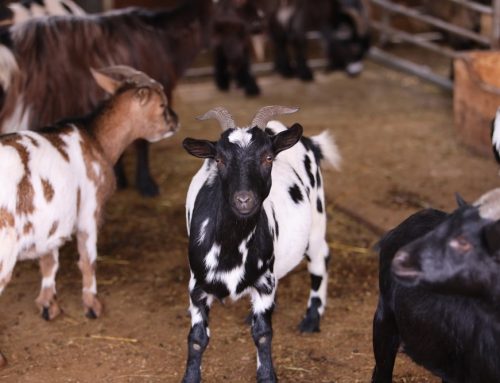
Around here, plenty of dogs and cats share their lives with cattle, horses, sheep, and goats, so the barnyard question comes up in our exam rooms weekly. The short answer follows the same species rule: livestock coccidia stay in livestock, but giardia travels in shared water, so the farm dog and the calf pen aren’t as separate as they look.
Coccidia in Livestock
Coccidia stay in their lanes even on a ranch. The strains that cause scours in calves, lambs, and kids can’t set up a true infection in your dog or cat, though a farm dog who snacks on manure can pass those livestock oocysts straight through and shed them in their own stool. That “pass-through” shows up on a fecal test looking like an infection, and telling the two apart matters, because one needs treatment and the other just needs the dog to stop eating what dogs eat. Reading that difference is routine work for a lab that runs samples from both sides of the fence.
Giardia in Livestock
Giardia is the boundary-crosser, and water is how it moves. Stock tanks, troughs, irrigation ditches, and the creeks and ponds livestock wade through all collect cysts, and a dog who tags along on chores and drinks where the cattle drink is sampling all of it. If diarrhea is running through the pens at the same time your dog’s stool goes loose, that’s worth mentioning. Because our large animal services cover herd health alongside the small animal side, we can look at the whole operation, from the barn cat to the replacement heifers, and build one plan instead of two.
What Does Treatment Involve, and When Is It Really Gone?
Treatment pairs a targeted medication with supportive care, runs one to a few weeks depending on the parasite, and is confirmed finished only by a follow-up stool test, not by symptoms alone. Giardia and coccidia respond to different drugs, so the diagnosis drives the prescription. For giardia, an anti-parasitic such as fenbendazole, sometimes paired with metronidazole, clears most infections, often alongside a medicated bath to rinse cysts off the coat. For coccidia, an anti-protozoal interrupts reproduction inside the gut.
Finishing the full course isn’t optional. Stopping the moment the stool firms up leaves survivors that repopulate the gut, and the diarrhea returns a week later looking brand-new. Supportive care carries much of the recovery, especially in small patients: a bland, easily digested diet settles an irritated gut, a veterinary probiotic rebuilds intestinal flora, and fresh water matters most of all, because the biggest short-term danger with any parasitic diarrhea is dehydration rather than the parasite itself.
How Do You Clean the House So Your Pet Doesn’t Get Reinfected?
Environmental cleanup is half the battle, because coccidia oocysts shrug off ordinary bleach and linger in soil and on surfaces for months. Decontaminating for coccidia depends on steam, high heat, and diligent removal of feces rather than routine household cleaners. Treating the pet while ignoring the yard and the crate is the most common reason families end up back in our exam room. Where you focus depends on the surface:
- Hard surfaces: Crates, litter boxes, tile, and bowls handle steam cleaning and boiling water well, and a quaternary ammonium cleaner left in contact for the labeled time helps where heat isn’t an option.
- Soft surfaces: Wash bedding, toys, and towels on the hottest laundry cycle they can take and run a hot dryer afterward, since heat does what disinfectants can’t.
- The yard: Pick up feces daily and bag it, because you can’t disinfect soil or grass. Sunlight and drying reduce the load over time, but prompt removal is what breaks the cycle.
Giardia cysts, by contrast, are vulnerable to drying and to many common disinfectants, but they cling to a damp coat, so bathing an infected pet toward the end of treatment removes cysts that would otherwise reinfect them the moment the medication stops.
What About the Other Pets in the House?
In a multi-pet home, assume that if one pet is infected, the others have been exposed. The household plan comes down to a few moving parts:
- Test every dog and cat, since a symptom-free carrier keeps the cycle alive
- Treat on a coordinated schedule so no animal is shedding while another recovers
- Separate litter boxes and feeding stations, scoop constantly, and skip shared water bowls during treatment.
It’s a lot of laundry and scooping for a couple of weeks, but doing it all at once beats treating one pet five times. Keeping up with wellness visits for every pet in the home is what lets us catch a silent carrier before they restart an outbreak you thought was over.
Can You Keep Giardia and Coccidia From Coming Back at All?
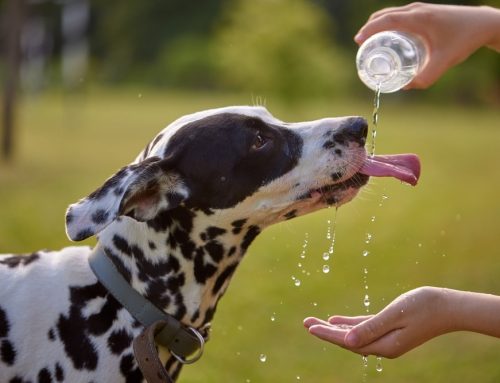
Prevention leans on the same habits that break an active infection: prompt stool pickup, clean water, and a low-stress environment. You can’t sterilize the outdoors, but you can control the exposures that matter most. Keep dogs from drinking out of puddles, ponds, stock tanks, irrigation ditches, and communal park bowls, which takes real vigilance through a hot Clarkston summer, when any standing water looks good to a thirsty dog. Quarantine and test any new puppy, kitten, or rescue before turning them loose with the resident pets, since incoming animals are a classic source. Routine parasite screening as part of ongoing care is the safety net, because it finds the silent shedder no amount of yard cleanup would reveal.
When Should You Stop Watching and Just Call Us?
Some situations warrant a prompt call rather than another day of monitoring, especially in puppies, kittens, and small dogs where dehydration develops fast. What looks like a manageable upset stomach at breakfast can become an emergency by evening. Reach out promptly if you see any of these:
- Signs of dehydration: Lethargy, sunken eyes, tacky or dry gums, or skin slow to spring back when gently lifted.
- Blood or worsening stool: More than a trace of blood, black tarry stool, or diarrhea getting worse instead of better.
- The whole pet is off: Repeated vomiting, refusing food or water, a painful belly, or a puppy or kitten gone quiet and limp.
Never treat diarrhea in a very young or small pet with a leftover medication or an internet remedy, since that wastes time your pet may not have and can hide what’s really wrong. Call ahead and come in for a same-day urgent exam so we can rehydrate and test without delay, or head straight to the nearest veterinary emergency hospital if your pet crashes after we close.

Giardia and Coccidia Questions Pet Families Ask Us Most
My pet finished the medication but the diarrhea came back. What happened?
This is one of the most common calls we get, and it usually points to reinfection from the environment rather than treatment failure. Cysts and oocysts left in the yard, on bedding, or clinging to your pet’s coat can restart the infection within days of the last pill, and giardia in particular sometimes needs a second course. The fix is to pair a repeat fecal test with a thorough environmental cleanup, so we treat the pet and the source at once.
Do I have to treat my other pets if only one has symptoms?
In most multi-pet homes, yes: we recommend testing all of them and often treating together. Dogs and cats commonly carry giardia or coccidia with no visible signs, quietly shedding cysts that reinfect the pet you just treated, so treating only the sick one turns into an infection that never ends.
Can I get giardia from my dog or cat?
It’s possible but uncommon. The coccidia pets carry can’t infect people at all, and while the giardia strains dogs and cats carry can occasionally cross over, most human cases come from contaminated water rather than the family pet. Consistent handwashing after cleaning up stool or scooping the litter box keeps household risk low, and young children, older adults, and anyone with a weakened immune system should be a little more careful.
Getting Your Pet Back to Normal After Giardia or Coccidia
The vast majority of pets recover completely from giardia and coccidia, and the ones who do best have a family that caught the signs early. Accurate testing, the right medication, a confirming stool check, and a solid home cleanup are each simple enough on their own; the trick is not skipping any of them. If your dog or cat is dealing with stubborn diarrhea, or you just want to get ahead of it, schedule a fecal test or talk a digestive concern through with us, and let Rustebakke Veterinary Service help your pet feel like themselves again.



Leave A Comment