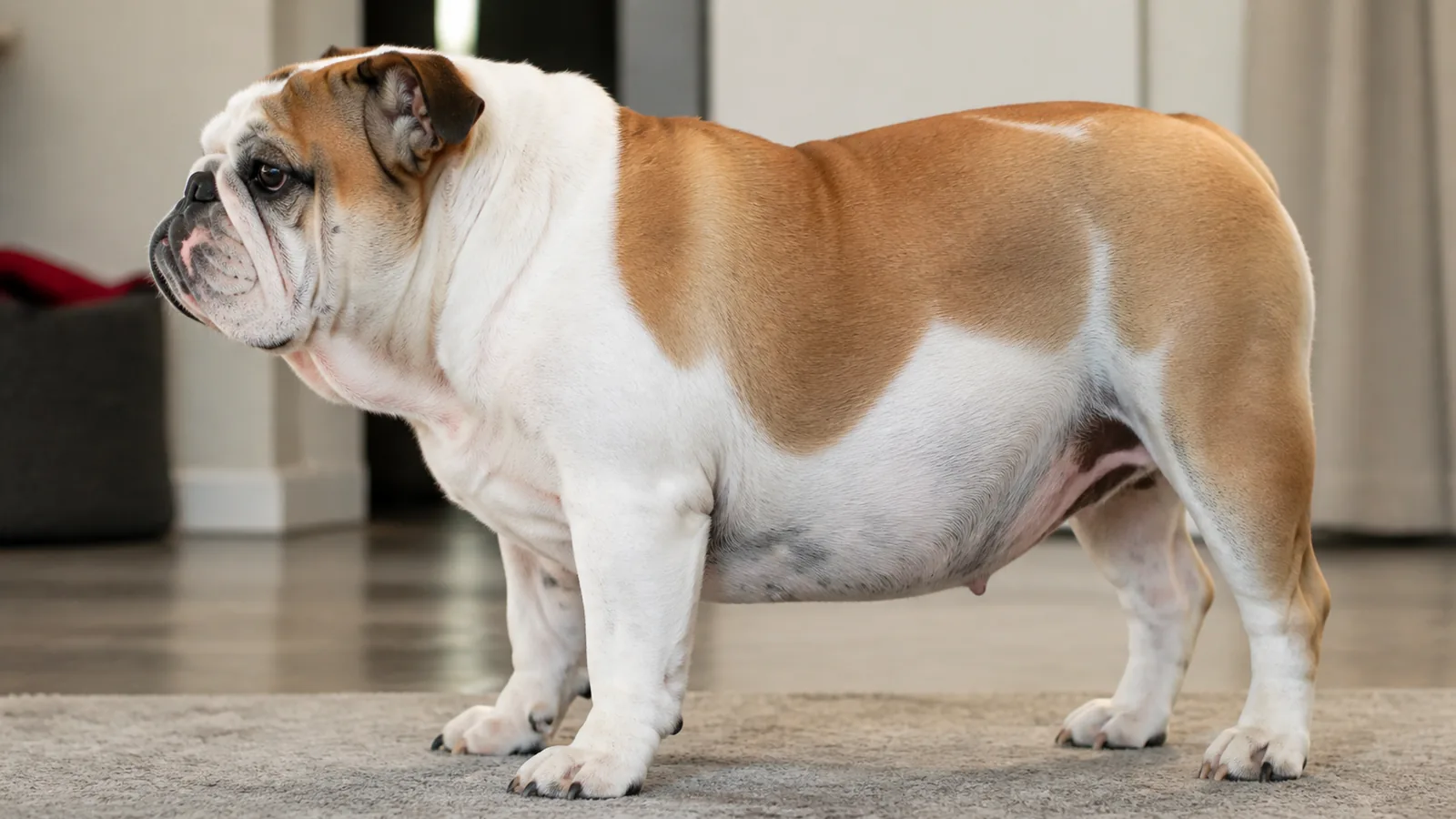
Your pet's body condition today can tell us quite a bit about the health problems they may be more likely to face in the years ahead. A body condition score, or BCS, looks beyond the number on the scale at how much fat and muscle your dog or cat is carrying. A score above the healthy range can mean more wear on the joints and back and a greater risk of problems such as arthritis and diabetes, while a score that is too low or steadily dropping can signal loss of valuable muscle and sometimes an underlying health problem. These changes matter even when your pet still seems perfectly happy and active. Watching BCS over time gives us a chance to spot a trend and make small changes now.
At Rustebakke Veterinary Service in Clarkston, body condition is part of every small animal wellness exam because we are interested in where your pet's health is headed, not just how they are doing today. We track changes over time, show you what we are seeing and feeling, and work with you on realistic adjustments to food, treats, exercise, or other care when needed. If weight is already contributing to stiffness or we are concerned about another health problem, our digital X-rays and lab work can help us look a little deeper, and Class IV laser therapy can help keep sore joints more comfortable. If you are curious what your pet's current body condition might tell us about their future health, set up an appointment and we can take a look together.
Body Condition Score Key Facts
- Body condition score reads fat and muscle together, so it catches changes the bathroom scale misses completely.
- The nine-point scale puts 4 to 5 in the ideal range, and most pets can be scored at home in about a minute using your hands.
- Portions belong to the weight your pet should be, not the weight they are now, and every treat counts toward that daily total.
- Weight that moves on its own, up or down, is worth a blood test before it gets blamed on food or age.
What Health Problems Does Extra Weight Actually Cause?
Extra weight doesn't sit quietly on the outside. It loads the joints and spine, crowds the chest and airway, nudges blood pressure up, raises the odds of diabetes and urinary stones, and makes anesthesia harder to manage. Most families notice it first as slowing down, which is easy to write off as age.
Here's where those extra pounds land first.
- Joints and spine: Arthritis arrives earlier and hurts more when every step carries weight the frame wasn't built for. Intervertebral disc disease can move from mild back soreness to hind-end weakness that needs surgery the same day. Overweight dogs are at higher risk of cruciate ligament ruptures requiring surgery to fix.
- Endocrine disorders: Diabetes starts when the pancreas can no longer make enough insulin to support the body. Pancreatitis is also more likely to occur in overweight pets.
- Internal organ dysfunction: Overweight pets, especially cats, are more prone to a liver disease called hepatic lipidosis. Urinary stones, UTIs, and other urinary tract diseases turn up more often in heavy pets.
- Skin problems: Overweight cats cannot reach their full body to properly groom themselves, and the fat rolls around tails and genitals often stay damp and dirty, allowing secondary infections to develop.
- Breathing and heat: Extra fat narrows the airway, especially in flat-faced breeds, and overheating comes faster, since a heavier body makes more heat and panting is the main way dogs shed it. Asthma also worsens in overweight cats.
- Heart and blood pressure: More tissue means more work for the heart, and blood pressure tends to creep upward over the years. High blood pressure increases the risks of chronic kidney disease.
- Anesthesia: Drug dosing, breathing support, and temperature control all get more complicated in a heavier patient, so a routine dental or mass removal carries more risk than it needs to.
- Lifespan: The connection between obesity and lifespan is the one that surprises people most: dogs kept lean lived close to two years longer than littermates fed the same diet in larger portions.
Nobody sets out to overfeed. Love shows up as a biscuit at the door and a corner of toast at breakfast, and it adds up quietly. Keeping your pet lean is one of the few health decisions that protects the budget and buys more good time at once, and we'd rather help you find that balance than hand out guilt.
What About Pets Who Are Too Thin?
Thin carries its own risks, and they slip by easily because a slim pet reads as a healthy one. Dogs and cats below the ideal range lose the muscle that stabilizes joints and powers the stairs, they run cold, heal slowly after illness or surgery, and their immune function suffers. A pet who's dropping weight quickly, acting weak, or turning away from food needs to be seen rather than watched, and our team handles urgent care during our regular hours when something changes fast.
How Do You Score Your Pet's Body Condition at Home?
Scoring takes about a minute and three checks. Look down at your pet from above and find the waist behind the ribs. Look from the side for an upward tuck where the belly meets the hind legs. Then run flat palms along the rib cage, where ribs should be felt easily through a thin layer of fat but not protruding.
Body condition scoring runs on a nine-point scale where 4 to 5 sits in the ideal range, and every point above that represents roughly ten percent over a pet's ideal weight.
| Score | From above and the side | What your hands find | What it means |
| 1 to 3 | Bones visible, severe tuck, hourglass waist | Ribs, spine, and hip bones stand out with no covering | Underweight, worth a workup |
| 4 to 5 | Clear waist, gentle belly tuck | Ribs easy to feel under a thin layer | Ideal |
| 6 to 7 | Waist softening or gone, belly line flattening | You press to find ribs, with padding over the lower back | Overweight, roughly 10 to 20 percent above target |
| 8 to 9 | Rounded outline from every angle, belly may sag | Ribs hard to locate, fat pads at the hips, chest, and tail base | Obese, 30 percent or more above target |
Long coats hide a great deal, and a Newfoundland or a Persian can put on a pound and a half before anybody sees a difference, which is exactly why hands beat eyes. One feline note: the loose flap swinging under a cat's belly is a primordial pouch, normal even on slim cats.
If you'd rather feel it once alongside someone who does this every day, book a hands-on assessment and we'll show you where your pet sits on the scale and what to check for at home.
Can Two Pets Weigh the Same and Be in Completely Different Shape?
Two dogs of the same breed at an identical weight can be in wildly different health, because a scale can't tell fat from muscle. A dog or cat can hold the same number for years while quietly trading lean muscle for fat, and that swap changes how they move, how they heal, and how well they handle illness.
Build matters as much as breed. A Greyhound showing a few ribs and a deep tuck is exactly right, while a Labrador at that same look would be worryingly thin. When we body condition score your pet, we’re judging against what’s normal for their breed, and also feeling for muscle mass and symmetry.
How Much Should You Really Be Feeding?
Portions belong to the weight your pet should be, not the weight they are today, and a calorie calculator converts that target into a daily number you can measure out with a kitchen scale. The chart on the bag is a starting point built around an average pet, and very few pets are average.
A scoop filled by eye runs heavy far more often than light. A cheap kitchen scale or a level measuring cup fixes it, every single meal.
Everything with calories counts: the dental chew, the pill pocket, the crust handed down at breakfast, the training rewards from class. Treats should stay under about ten percent of the day's total, with the rest coming from a complete diet so the vitamins and minerals still add up.
Cats need a slower plan than dogs, because cutting calories too aggressively can trigger hepatic lipidosis, a liver failure that can turn deadly in a matter of days. Never crash-diet a cat, and never let one go more than a day or two without eating before calling us. Human diet drugs and appetite suppressants are never safe for pets, at any dose.
Is a Prescription Weight Diet Worth It Over a Store "Light" Formula?
The front of the bag is the least reliable part of choosing pet food, since light and healthy weight are marketing terms, while prescription weight-loss formulas have to clear feeding trials proving pets lose fat and hold onto muscle.
| Over-the-counter "light" or "healthy weight" | Prescription weight-loss diet | |
| How it's built | Usually lower in fat, sometimes fewer calories per cup | Higher protein and fiber to protect lean tissue while fat comes off |
| Testing behind it | No feeding-trial requirement attached to the label | Feeding trials demonstrating safe, consistent results |
| Best suited to | Pets sitting a pound or two above target | Pets with real weight to lose, or a health condition alongside |
| Oversight | Chosen off a shelf | Chosen and monitored with your veterinarian |
Fiber does quiet work in these formulas. It slows how fast the stomach empties, so a smaller dinner still registers as a full dinner, which is what keeps a hungry Beagle from pacing the kitchen at four in the afternoon.
Picking between the two comes down to how much needs to come off, what else is happening medically, and what your pet will honestly agree to eat. That's exactly what nutritional counseling is for.
What Does Safe Weight Loss Look Like Week to Week?
Dog weight loss should move at about one to two percent of body weight per week, which looks painfully slow on paper but holds far better than a crash diet. On a 70-pound Lab, that's under a pound in seven days. Cat weight loss works best in half-pound increments spread across months, with measured meals on a set schedule instead of a bowl that stays full all day.
- Movement: Several short outings beat one big weekend push, and level walking on the levee paths goes easier on sore joints than hill work. Cats move for prey, not for fitness, so two wand-toy sessions a day accomplish more than any amount of encouragement. Skip midday walks in July and August, since the valley heat hits a heavy pet much harder than a lean one.
- Routine: Divide the day's ration into two or three measured meals at fixed times. Scattering part of it across a snuffle mat or a clean floor turns an eight-second inhale into a ten-minute hunt, and puzzle feeders do the same job for the cat who wakes the house at five in the morning.
- Rewards: Green beans, baby carrots, and a few pieces of the kibble from dinner’s measured meal set aside in a jar all read as treats to a dog who mostly wants the moment, not the calories.
- Tracking: Weigh every few weeks on the same scale, and body condition score your pet at home at the same time. When progress flattens for a month, the portion drops another ten percent instead of the whole plan getting abandoned.
What If the Food Isn't the Problem?
Sometimes weight moves on its own. Hormone and organ diseases change appetite, metabolism, and how the body stores energy, so a pet can put on pounds without a change in feeding, or melt away while eating more than ever. Weight that shifts with no change at the bowl deserves a blood test.
- In dogs: When a dog gains weight on the same food and the same walks, hypothyroidism is worth ruling out, since the slowed metabolism usually arrives alongside a dull coat, thinning hair, and low energy. Cushing's disease drives cortisol up and brings a pot-bellied silhouette, heavy panting, and a bottomless thirst. Diabetes tends to run the other direction, with pounds coming off while the appetite climbs.
- In cats: A cat who is eating more and still dropping weight raises the question of hyperthyroidism, an overactive thyroid that often shows up with restlessness, vomiting, and a racing heart. Chronic kidney disease strips weight and muscle more gradually, alongside heavier drinking and bigger litter box clumps.
Most of this sorts out with a blood draw and a urine sample. Our in-house bloodwork and ultrasound let us run a complete blood count, chemistry panel, and urinalysis during your visit and take a look at the organs themselves. Early detection blood screening once a year builds a baseline for your individual pet, so a small shift in thyroid or kidney values reads as a real change.
How Does Body Condition Change as Pets Get Older?
Needs shift at every stage. Puppies and kittens burn through calories to build a body and need their portions refigured every few months, adults settle into maintenance and drift upward quietly, and seniors frequently lose muscle while fat holds steady or climbs, a trade the scale hides completely.
Exams every six months are the practical answer for adult dogs and cats. Half a year is plenty of time for a five percent change to arrive unannounced, and it's also the window in which our veterinarians pick up dental disease, early kidney change, and the stiffness that quietly shrinks a dog's day. Portions and activity targets get revisited after a spay or neuter, an injury, or the slide into the senior years.
Frequently Asked Questions About Body Condition and Weight in Pets
How often should we weigh our pet at home?
Once a month suits most healthy adults, and every two weeks works better for a pet actively losing. Cats and small dogs can go on a baby scale, or you can weigh yourself, then yourself holding your cat, and subtract. Larger dogs need a proper platform scale, and we're glad to weigh yours whenever you're in.
My cat looks a little chunky but seems happy. Is that worth worrying about?
Happy and healthy aren't the same measurement, and cats are famously good at hiding discomfort. Two extra pounds on a ten-pound frame is a twenty percent overshoot, and that's the range where feline diabetes, urinary trouble, and arthritis start to appear, often long before anything looks wrong from the couch. The encouraging part is the scale of the fix. Most cats sitting at a 6 or 7 need to shed half a pound to a pound to meaningfully change their risk, which is a portion adjustment rather than an overhaul.
Will spaying or neutering make my pet gain weight?
Altering does lower calorie needs by a real margin, often somewhere around twenty to thirty percent, and the gain that tends to follow comes from feeding the same amount as before rather than from the surgery itself. Trimming portions right around the time of the procedure heads off most of it. Ask us for the new daily number at your pet's next visit and we'll work out the math together.
Ready to Help Your Pet Move More Easily?
Better body condition shows up in ordinary moments: an easier jump onto the bed, a longer walk without the sit-down halfway home, an older cat grooming all the way to the base of their tail again. Getting there rarely takes a dramatic plan. It usually takes a level measuring cup, a number to aim for, and someone checking the trend with you a few times a year.
Saying no to a dog parked hopefully by the counter is hard, and nobody should have to sort it out alone. Reach out to us at Rustebakke Veterinary Service in Clarkston and we'll score your pet together, set a target that fits your household, and adjust as you go.